Information About Medical Forensic Examinations
If you’re a victim of sexual assault, we recommend a medical forensic examination provided by The Sex Abuse Treatment Center at Kapi'olani Medical Center for Women & Children.
This procedure ensures proper medical attention, evidence collection, and addresses concerns about the risks of sexually transmitted infections, pregnancy, and HIV. The examination is available to anyone within 120 hours of a sexual assault.
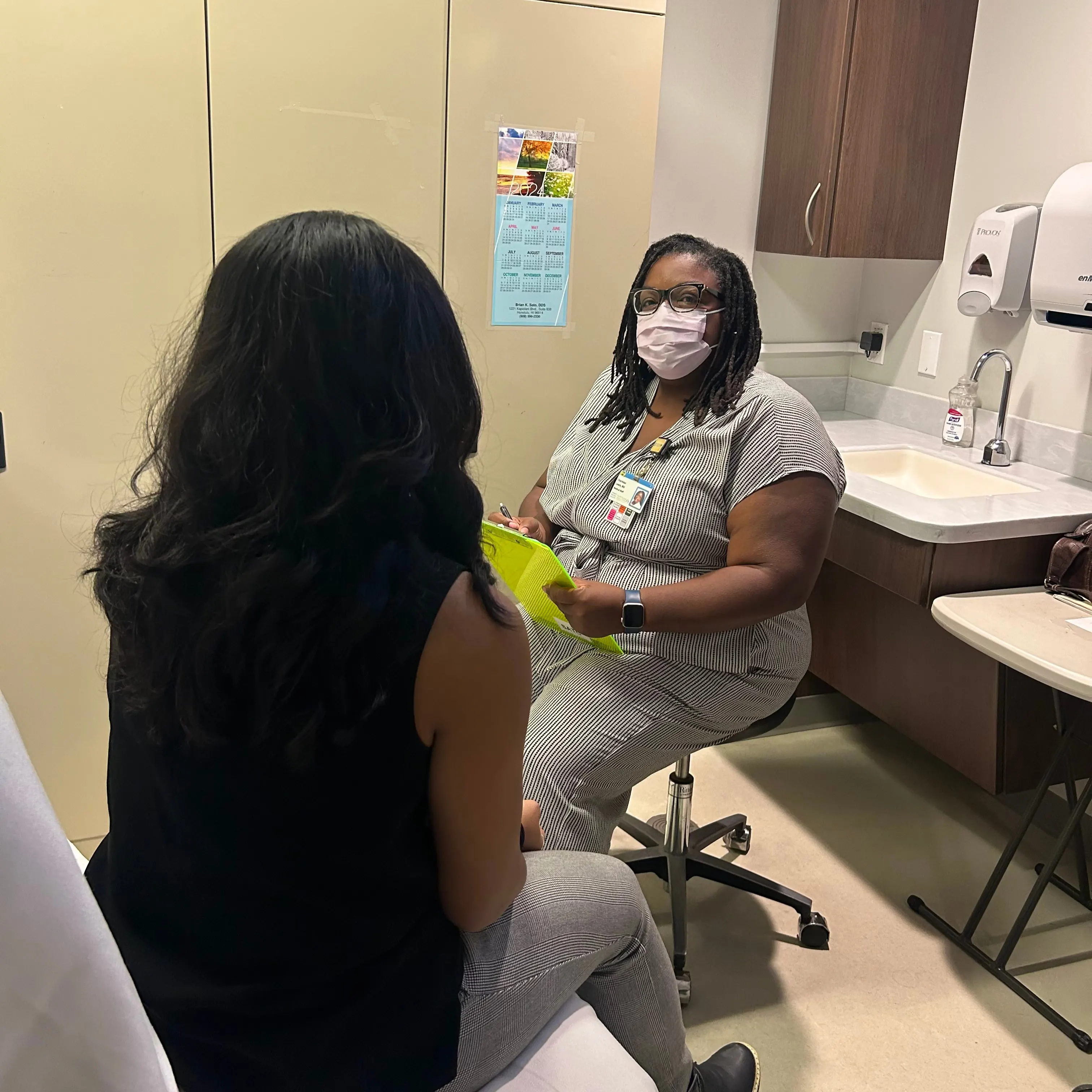
What will happen during the Medical Forensic Examination?
When you arrive at the medical center (Kapi'olani Medical Center for Women & Children), you’ll be asked to register as a patient in the emergency room. An emergency room nurse and a physician will then do a brief examination. This is to determine if you need any immediate medical attention. If so, the emergency room physician may provide this care before the SATC medical forensic examination.
Once cleared by emergency medical staff, you will meet with a SATC crisis worker at the emergency room who will assist you. The medical forensic examination takes place in a separate room that is set up specially for this purpose. The SATC crisis worker will explain the consent forms and the procedures of the examination, then will help you with signing the forms. The SATC crisis worker is present to counsel you and any friends or family with you. Feel free to discuss any feelings about the assault and ask questions about the medical procedures.
What to expect:
-
1
The medical forensic examination is performed by a SATC physician.
This doctor is trained to provide specialized medical care for victims of sexual assault as well as procedures for collecting, preserving and transferring specimens for evidence. The SATC crisis worker is also trained in evidence preservation procedures and assists the physician.
-
2
A Hawaii State Sexual Assault Evidence Collection Kit is used in the examination, whether or not a police report has been filed.
During the medical forensic exam you will be asked if you want evidence of the assault to be collected by using the sexual assault evidence kit. Police reporting is not a requirement to obtain the medical exam or collection of evidence. If you choose to police report, the evidence will be transferred to police for processing. If not, your kit will be stored by SATC in the event you decide to police report at a later time. Evidence is stored until the legal time frame for reporting a crime to the police has ended.
-
4
The SATC doctor will then ask for your medical history, including allergies, medications and medical problems.
As part of the examination, you will be asked about the assault and about specific sexual acts. These questions help guide the physician during the examination and the collection of evidence; it is helpful for medical treatment and documentation of the incident for legal purposes.
-
5
During the physical exam the doctor will look for physical injuries on your body.
The doctor will conduct a head-to-toe examination of your body including the genital area for trauma and any abnormalities. Pictures of injuries may be taken by the doctor, with your permission. The doctor will also document findings in a medical-legal record. It’s important to remember that most times, there may be no injuries or physical findings from the exam. Lack of injury to the genital area does not mean sexual penetration did not happen or that you consented to the sexual activity.
-
6
Depending on the history of the incident the doctor may take evidence swabs for DNA analysis, hair samples (both head and pubic hair), fingernail scrapings and a blood sample.
-
7
You will also be offered testing and treatment for sexually transmitted infections (STIs) and for pregnancy.
You will be offered testing for STIs and/or pregnancy, which may be completed with your permission. If you choose to have testing completed, the doctor will follow up with you regarding your test results. The doctor will discuss preventive treatment for STI's and pregnancy if indicated. Testing and preventive treatment for HIV can also be discussed with the doctor.
Will I be charged for the Medical Forensic Examination?
The Medical Forensic Examination described above is FREE.
If you need medical care beyond the scope of the SATC forensic examination (like X-rays, CT scan, stitches), you will be moved to the Emergency Room for the care you need. Fees for these services are not covered by the SATC. At the time of registration you will be asked about insurance coverage in case a claim needs to be filed.
If you filed a police report the SATC crisis worker will provide information on seeking assistance through the State of Hawaiʻi Crime Victim Compensation Commission (CVCC). CVCC may be able to provide you with some assistance. Click here for more information: Crime Victim Compensation Commission.
If you do not have insurance and did not file a police report, the hospital social worker may be able to help you with other available options for help.